Understanding oral cancer: What you need to know
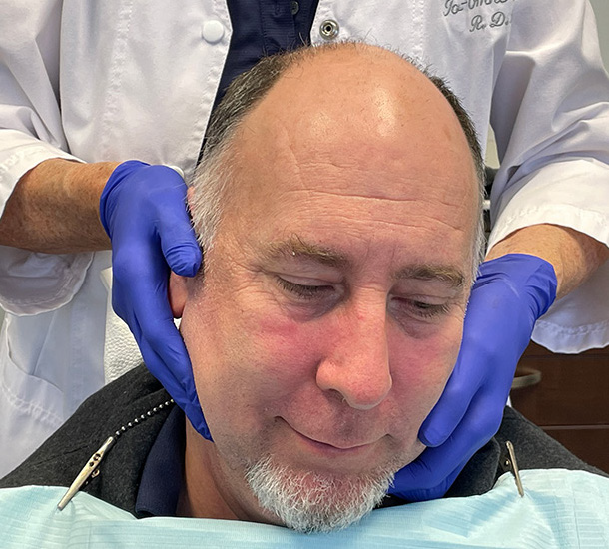
(NC) Oral cancer includes cancers of the mouth, lips, tongue or throat. It
is a serious, potentially life-threatening condition. However, if detected
early, it can respond well to treatment.
Several risk factors contribute to the development of oral cancer. These
include tobacco use, excessive alcohol consumption, prolonged sun exposure
to the lips, and infection with the human papillomavirus (HPV). By quitting
smoking, reducing alcohol intake, and getting vaccinated against HPV,
individuals can lower their risk.
Regular appointments with an oral health professional are just as important
and can be crucial for early detection of cancerous lesions. Dental
hygienists perform oral cancer screenings at each visit and can identify
suspicious changes that require further investigation.
Between visits, people should perform self-exams to check for signs or
symptoms of oral cancer. These include persistent mouth sores or red and
white patches that do not heal within 14 days, lumps or thickening of
tissues, and difficulty swallowing. If you notice any of these signs, it’s
important to seek professional advice promptly.
Understanding the risks and taking proactive steps can help protect against
oral cancer. Regular oral health care appointments, maintaining a healthy
lifestyle, using lip balm with UV protection and being aware of symptoms are
key to maintaining good oral health.
Learn more at
dentalhygienecanada.ca/oralcancer.